The Complete Guide to Balinese Massage: History, Techniques, and Benefits
By Authentic Balinese Wellness Team · Updated July 1, 2026
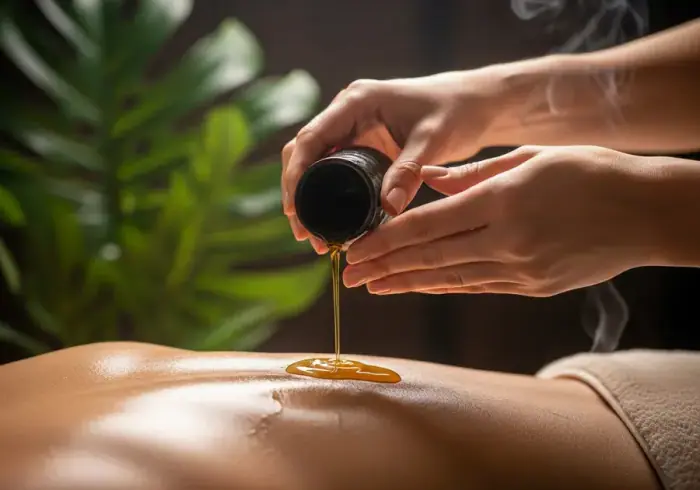
A deep dive into one of the world's most holistic healing traditions, combining acupressure, aromatherapy, and rigorous muscle manipulation for total rejuvenation.
The Ancient Roots of Balinese Healing
Balinese massage is more than just a spa treatment; it is a profound heritage passed down through generations on the 'Island of the Gods.' Rooted in the rich tapestry of Indonesian culture, this therapy is a unique synthesis of varied influences, including traditional Chinese medicine, Indian Ayurveda, and indigenous Indonesian folk medicine (Jamu).
Historically, Balinese massage was developed as a way to maintain health and treat common ailments within the local communities. It was deeply connected to the Balinese philosophy of 'Tri Hita Karana'—the three causes of prosperity: harmony with God, harmony among people, and harmony with nature. Practitioners, often referred to as 'Balian,' would use their hands to restore the balance of energy (Prana or Chi) throughout the body.
Over centuries, these techniques were refined and standardized. Today, Balinese massage is celebrated globally for its holistic approach, treating the body, mind, and spirit as an interconnected whole. When you receive a Balinese massage in Dubai today, you are participating in a tradition that has provided comfort and healing for over a thousand years.
Mastering the Art: Signature Balinese Techniques
What sets Balinese massage apart from other modalities like Swedish or Thai massage is its incredible variety of strokes. A single session can feel like a journey through several different disciplines. The therapist uses a combination of gentle stretches, acupressure, reflexology, and aromatherapy to stimulate the flow of blood, oxygen, and energy.
Skin Rolling: This is perhaps the most iconic Balinese technique. The therapist uses their fingers and thumbs to 'roll' the skin and superficial muscle layers. This helps to break down adhesions, improve circulation to the skin's surface, and stimulate the lymphatic system to flush out toxins.
Kneading (Petrissage): Long, rhythmic kneading strokes are used to work deep into the muscle tissue. This isn't just about surface relaxation; it's about addressing deep-seated tension and 'knots' (trigger points) that can cause chronic pain and stiffness.
Acupressure: Drawing from Chinese influences, Balinese therapists apply firm pressure to specific points along the body's meridians. This is intended to clear blockages in the body's energy pathways, promoting a sense of vitality and balance.
Percussion (Tapotement): Light tapping or rhythmic striking may be used toward the end of a session to awaken the nervous system and invigorate the muscles after the deep relaxation of the earlier stages.
The Soul of the Massage: Essential Oils and Aromatherapy
In Bali, the scent of the massage is just as important as the touch. Traditional Balinese massage is almost always performed with high-quality, fragrant oils that serve multiple purposes: they provide the necessary 'slip' for the long strokes, they nourish the skin, and their aromatic properties provide therapeutic benefits through inhalation.
Commonly used oils include Sandalwood, Jasmine, Frangipani (the iconic flower of Bali), and Ylang-Ylang. Each of these has specific effects. Sandalwood is grounding and meditative; Jasmine is uplifting and known to boost mood; Frangipani is deeply relaxing and synonymous with the tropical island atmosphere; Ylang-Ylang is often used to reduce stress and anxiety.
The use of warmed oil is a hallmark of the premium home spa experience. As the oil is massaged into the skin, it helps to relax the muscles further and allows the therapist to glide smoothly over the body without causing friction or discomfort. This sensory engagement is a critical component of the deep, meditative state that a Balinese massage is designed to induce.
Physical Transformation: Why Your Body Needs It
Beyond the immediate relaxation, Balinese massage offers a wide array of tangible physical benefits. For many residents in Dubai—whether they are office professionals sitting at desks all day or active athletes—this therapy is an essential part of their physical maintenance routine.
Improved Circulation: The vigorous techniques used in Balinese massage significantly boost blood flow. Better circulation means more oxygen and nutrients are delivered to your muscles and organs, which can speed up recovery from injury and improve overall skin health.
Pain Relief and Muscle Flexibility: By combining deep tissue kneading with gentle stretching, Balinese massage helps to elongate muscles and increase the range of motion in joints. It is particularly effective for treating lower back pain, neck stiffness, and tension headaches.
Lymphatic Drainage: The skin rolling and rhythmic strokes encourage the movement of lymph fluid. This helps the body naturally detoxify, reduces water retention (edema), and can even support a healthier immune system.
Enhanced Sleep Quality: Because the massage focuses so heavily on calming the nervous system, many clients report significantly better sleep after a session. It helps to lower cortisol levels and stimulate the production of serotonin, the body's natural 'feel-good' hormone.
Mental Clarity and Spiritual Harmony
In the fast-paced environment of Dubai, mental stress is often as debilitating as physical pain. Balinese massage addresses this by creating a dedicated space for mindfulness and deep relaxation. The goal is to reach a state of 'quiet mind,' where the stresses of work, family, and digital life fall away.
The ritualistic nature of the massage—the washing of the feet, the scent of the oils, the rhythmic breathing—helps to shift the body from the 'fight or flight' (sympathetic) nervous system to the 'rest and digest' (parasympathetic) state. This transition is crucial for long-term mental health and stress management.
From a spiritual perspective, Balinese practitioners believe that the massage helps to balance the body's seven chakras. By clearing energy blockages, the recipient feels more 'centered' and 'aligned.' While this may sound esoteric to some, the practical result is a profound sense of well-being that lasts long after the therapist has left your home.
What to Expect: Your Balinese Home Massage Journey
Choosing a home massage in Dubai offers a level of comfort and privacy that a traditional spa cannot match. When you book a Balinese massage with a professional service like Authentic Balinese Home Spa, the experience is designed to be seamless and luxurious from start to finish.
Preparation: Your therapist will arrive with a professional massage table, high-quality linens, and a selection of authentic Balinese oils. All you need to provide is a quiet space where you can relax undisturbed for 60 to 120 minutes.
The Session: The massage typically begins with you lying face down. The therapist will start with the back and legs, using long strokes and kneading to warm up the muscles. They will then move on to more specific techniques like skin rolling and acupressure. The second half of the session involves lying on your back for the arms, shoulders, neck, and sometimes a gentle scalp massage.
Communication: While Balinese massage can be intense, it should never be painful. Your therapist will check in with you regarding the pressure. In Balinese culture, we often talk about 'good pain'—the feeling of a deep knot finally releasing—but you are always in control of the intensity.
Concluding the Ritual: After the massage, it's recommended to leave the oils on your skin for at least an hour to allow the therapeutic properties to be fully absorbed. A warm herbal tea is the perfect way to conclude your session and help your body begin the detoxification process.
Balinese vs. Thai vs. Deep Tissue: Which is Right for You?
Choosing the right massage can be confusing. Here is a comparison to help you decide if Balinese is the best fit for your needs:
Balinese vs. Thai Massage: Thai massage is often called 'lazy man's yoga.' It is performed on a floor mat, you remain fully clothed, and it involves lots of vigorous stretching and compressions but no oil. Balinese massage, by contrast, is performed on a table with oil, involves much more skin-to-muscle contact, and focuses more on rhythmic strokes and aromatherapy alongside the stretching.
Balinese vs. Deep Tissue: While Balinese massage certainly goes deep, a dedicated Deep Tissue massage (like our Sports Recovery sessions) focuses almost exclusively on the deeper layers of muscle and connective tissue using very firm, slow strokes. Balinese is more holistic—it provides deep pressure where needed but balances it with relaxation techniques and energy work that make it feel less clinical and more ritualistic.
Balinese vs. Swedish Massage: Swedish massage is the foundation of Western massage, focusing on relaxation through long, gliding strokes (effleurage). Balinese massage is considerably more vigorous than Swedish. It uses more pressure, includes acupressure and stretching, and is generally more effective for addressing actual muscle tension rather than just providing light relaxation.
In summary, choose Balinese if you want a 'best of all worlds' approach: the relaxation of Swedish, the pressure of Deep Tissue, and the stretching of Thai, all wrapped in a luxurious, aromatic ritual.
Aftercare: How to Maximize Your Results
To get the most out of your Balinese massage, what you do in the 24 hours following the session is vital. The massage has stimulated your circulation and lymphatic system; now you need to help your body complete the work.
Hydrate, Hydrate, Hydrate: This is the most important rule. Massage releases metabolic waste from your muscle tissues into your bloodstream. Drinking plenty of water helps your kidneys flush these toxins out. Avoid caffeine and alcohol for at least 12 hours, as they can dehydrate you and undo some of the benefits.
Rest and Reflect: If possible, avoid strenuous exercise immediately after your massage. Give your muscles time to settle and your nervous system time to stay in its relaxed state. A quiet evening at home is the perfect follow-up to a home massage.
Warm Bath: If you feel some 'post-massage soreness' (which is normal if deep work was done), a warm bath with Epsom salts can help further relax the muscles and reduce inflammation.
Listen to Your Body: You may feel energized, or you may feel deeply tired. Both are normal reactions. Pay attention to how your body feels over the next few days—you'll likely notice improved flexibility and a significant reduction in your initial tension.
Why Balinese Massage is Perfect for the Dubai Lifestyle
Living in Dubai often means a high-pressure environment, long commutes, and a culture that is always 'on.' Whether you are navigating the traffic on Sheikh Zayed Road, spending long hours in a high-rise office, or maintaining a rigorous fitness schedule, your body and mind are under constant demand.
Balinese massage is the perfect antidote to this 'always-on' culture. It provides a complete sensory reset. By bringing this experience into your home, you eliminate the stress of travel and parking, allowing the relaxation to start the moment the therapist arrives and continue long after they leave.
Our team at Authentic Balinese Home Spa specializes in bringing this genuine island tradition to the most prestigious neighborhoods in Dubai, from the tranquility of Emirates Hills to the modern luxury of Dubai Marina. We ensure that every session is a faithful representation of the healing arts of Bali, adapted for the discerning needs of our Dubai clientele.
Experience Authentic Healing Today
Balinese massage is more than a luxury; it is a time-tested path to better health, reduced stress, and physical vitality. By combining the best of ancient wisdom with modern professional standards, we offer a transformative experience that helps you feel your best in both body and mind.
Ready to begin your journey to relaxation? Our certified therapists are ready to bring the 'Island of the Gods' directly to your doorstep. Don't wait until your tension becomes pain—invest in your well-being today.
To book your authentic Balinese experience, simply click the 'Book Now' button or send us a message via WhatsApp. We look forward to helping you find your balance.
Ready to experience it for yourself? Book a certified therapist to your home in Dubai today.