Massage for Back Pain: What Actually Works
By Authentic Balinese Wellness Team · Updated July 1, 2026
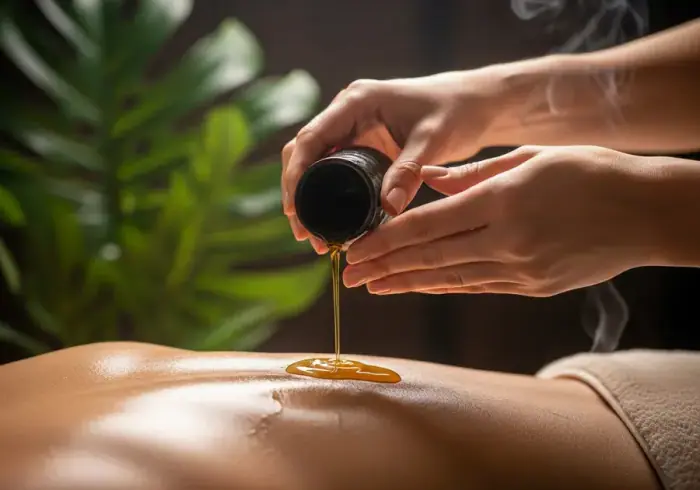
Back pain is one of the most common reasons residents seek massage in Dubai. This guide explores the most effective techniques, the science behind the relief, and what to expect from your treatment.
Understanding Back Pain in the Dubai Context
Back pain is an almost universal experience for residents of Dubai. Whether it's the result of long hours spent at a desk in the DIFC, the physical toll of a rigorous fitness regime at a local CrossFit box, or the cumulative strain of long commutes on the Sheikh Zayed Road, the impact on quality of life is significant. In a city that moves as fast as Dubai, physical discomfort can feel like a major roadblock to productivity and personal happiness.
When we talk about back pain, we aren't just talking about a single condition. It is a complex symptom that can stem from various sources: muscle strain, ligament sprains, herniated discs, or even lifestyle factors like poor posture and stress. Understanding the root cause is the first step toward effective relief. While many people immediately reach for over-the-counter medication, massage therapy has emerged as a powerful, non-invasive alternative that addresses both the physical and psychological aspects of pain.
At Authentic Balinese Home Spa, we see hundreds of clients every month specifically for back-related issues. We've noticed a pattern: the 'Dubai Back'—a combination of tight hip flexors from sitting, rounded shoulders from device use, and lower back tension from a lack of core engagement. This guide is designed to help you navigate the world of massage therapy and find what actually works for your specific type of discomfort.
Acute vs. Chronic Back Pain: Which One Do You Have?
Before booking a massage, it's crucial to distinguish between acute and chronic pain, as the treatment approach differs significantly for each. Acute back pain usually comes on suddenly and lasts for a few days to a few weeks. It's often the result of a specific event, like lifting a heavy box or an awkward movement during a workout. Massage for acute pain focuses on reducing immediate muscle guarding and calming the nervous system.
Chronic back pain, on the other hand, is defined as pain that persists for 12 weeks or longer, even after an initial injury or underlying cause has been treated. About 20% of people affected by acute low back pain develop chronic low back pain with persistent symptoms. For chronic sufferers, massage is less about a 'quick fix' and more about ongoing management, improving range of motion, and breaking the cycle of pain-tension-pain.
In Dubai's high-stress environment, many acute cases transition into chronic issues because residents often ignore the early warning signs. Regular therapeutic massage serves as a preventative measure, addressing minor imbalances before they escalate into long-term mobility issues. By identifying whether your pain is a recent flare-up or a long-standing companion, you can better communicate your needs to your therapist.
Medical Responsibility: When to See a Doctor Instead of a Therapist
While massage is an excellent tool for muscle-related pain, it is not a substitute for medical diagnosis or treatment of serious underlying conditions. At Authentic Balinese Home Spa, we prioritize client safety above all else. There are certain 'red flags' that indicate your back pain might be something more serious than a simple muscle strain.
If you experience any of the following symptoms, we strongly recommend consulting a medical professional before booking a massage: sudden, unexplained weight loss accompanied by back pain; pain that is severe enough to wake you up at night; fever or chills; loss of bladder or bowel control; or numbness and tingling that radiates down both legs. These could be signs of nerve compression, infection, or other systemic issues that require clinical intervention.
Massage is generally safe for most people, but it should be avoided directly over areas of recent fractures, open wounds, or acute inflammation. If you have a history of blood clots or are currently taking blood-thinning medication, please consult your doctor first. Our therapists are trained to recognize when a condition is beyond their scope of practice and will always advise you to seek medical attention if they suspect a more serious issue.
The Science: How Massage Actually Relieves Back Pain
Many people think of massage as just a luxury, but the physiological effects are well-documented. One of the primary mechanisms is the 'Gate Control Theory' of pain. This suggests that the non-painful input (the touch and pressure of massage) closes the 'gates' to painful input, preventing pain sensations from traveling to the central nervous system. In simpler terms, the soothing sensation of massage can actually block the brain's perception of pain.
Beyond the nervous system, massage significantly improves local blood circulation. When muscles are tight or spasmed, they restrict blood flow, leading to a buildup of metabolic waste products like lactic acid. Massage helps flush these toxins out while bringing fresh, oxygenated blood and nutrients to the tissues, which accelerates the healing process. This is particularly beneficial for recovery after a heavy gym session or a long flight.
Additionally, massage therapy has been shown to reduce levels of cortisol (the stress hormone) while increasing levels of serotonin and dopamine. Since stress is a major contributor to muscle tension—especially in the neck and lower back—this psychological shift is a critical component of pain relief. When your mind relaxes, your muscles follow suit, creating a holistic environment for recovery.
Comparing Massage Techniques: Which is Best for Your Back?
Choosing the right technique is essential for achieving the best results. Not all massages are created equal when it comes to back pain. Here is a comparison of the most popular options available in Dubai:
1. Swedish Massage: This is the most common form of massage. It uses long, gliding strokes and is primarily focused on relaxation and improving circulation. It's excellent for mild, stress-related back tension and for those who prefer a lighter touch. It's a great 'entry-level' massage for general wellness.
2. Deep Tissue Massage: This technique uses slower, more forceful strokes to target the deeper layers of muscle and connective tissue (fascia). It is highly effective for chronic muscle tension and 'knots'. While it can be slightly uncomfortable during the session, it offers significant long-term relief for deep-seated back pain.
3. Balinese Massage: Our signature treatment combines elements of Swedish, acupressure, and aromatherapy. The use of firm pressure and skin rolling helps to break down scar tissue and improve flexibility. It is particularly effective for those who feel 'stiff' rather than 'sore'.
4. Trigger Point Therapy: This focuses on specific areas of tight muscle fibers that can form in your muscles after injuries or overuse. Pressing on a trigger point might feel painful, but it's designed to release the tension that causes pain in other parts of the body (referred pain).
At Authentic Balinese Home Spa, our therapists often blend these techniques to create a customized treatment. For example, they might use Swedish strokes to warm up the tissue before applying deep tissue techniques to specific problem areas in the lower back or between the shoulder blades.
The Importance of Consistency: Managing Your Expectations
One of the biggest mistakes clients make is expecting a single 60-minute session to resolve years of chronic back pain. While you will almost certainly feel better after one treatment, the results are cumulative. Think of massage like going to the gym or eating a healthy diet—the benefits build up over time as your body learns to let go of chronic tension patterns.
For acute issues, a series of 2-3 sessions over a two-week period is often enough to resolve the problem. For chronic pain, we typically recommend a maintenance schedule of once every week or two. This prevents tension from reaching a 'boiling point' where it causes significant pain or restricts movement. Consistency allows the therapist to work deeper into the tissues in each subsequent session.
It's also important to manage your post-session expectations. It is perfectly normal to feel slightly sore the day after a deep tissue or Balinese massage—much like the feeling after a workout. This is known as Delayed Onset Muscle Soreness (DOMS) and is a sign that the muscles are responding to the treatment. This soreness should dissipate within 24-48 hours, leaving you feeling lighter and more mobile.
Post-Massage Aftercare: Maximizing the Benefits
What you do after your massage is just as important as the session itself. To get the most out of your treatment, we recommend several key steps. First, hydration is non-negotiable. Drinking plenty of water helps your kidneys process and flush out the metabolic waste that was released from your muscles during the massage. Avoid caffeine and alcohol for at least 12 hours, as they can dehydrate the tissues and negate the benefits.
Second, listen to your body and rest. If you've had a deep therapeutic session, avoid strenuous exercise for the remainder of the day. Give your muscles time to integrate the changes and recover. A warm bath with Epsom salts can further help to relax the muscles and reduce any post-session soreness. The magnesium in the salts is absorbed through the skin and acts as a natural muscle relaxant.
Third, pay attention to your posture in the hours following your treatment. Since your muscles have been reset to a more neutral state, this is the perfect time to practice sitting and standing taller. If you go straight back to slouching over a laptop, you'll quickly re-introduce the same tension patterns that caused your pain in the first place.
Why Home Massage is Superior for Back Pain Recovery
In a city like Dubai, the convenience of a home spa cannot be overstated, especially when you are dealing with back pain. The primary advantage is the elimination of the commute. Driving in heavy traffic or navigating a busy parking lot immediately after a massage can cause your muscles to tense up again, effectively undoing much of the work just performed.
When you book a home massage, you can transition directly from the massage table to your own bed or a comfortable chair. This extended period of relaxation allows the nervous system to stay in a parasympathetic (rest and digest) state for much longer. Furthermore, the familiar environment of your own home reduces the psychological barriers to relaxation, allowing you to sink deeper into the treatment.
At Authentic Balinese Home Spa, we bring everything needed for a professional-grade experience—premium oils, high-quality linens, and a sturdy, comfortable massage table. You get the clinical benefits of a professional therapist with the unparalleled comfort of your own home. This is particularly beneficial for those with acute back pain who may find it physically difficult to leave the house.
Beyond the Table: Ergonomics and Lifestyle Tips
To truly conquer back pain, you must address the lifestyle factors that contribute to it. In Dubai's corporate culture, many of us spend upwards of 8-10 hours a day sitting. Investing in a high-quality ergonomic chair and ensuring your monitor is at eye level can make a world of difference. Your knees should be slightly lower than your hips, and your feet should be flat on the floor.
Movement is also medicine. Incorporating 'micro-breaks' every 30-60 minutes to stretch and walk around helps prevent muscle stiffness. Simple stretches like the 'cat-cow' or a gentle seated twist can help maintain spinal mobility throughout the day. Strengthening your core is another vital step; a strong core acts as a natural corset, supporting your spine and taking the pressure off your lower back muscles.
Lastly, consider your sleeping position and mattress. If you wake up with back pain, your bed might be the culprit. Side sleepers should place a pillow between their knees to keep the hips aligned, while back sleepers can place a small pillow under their knees to maintain the natural curve of the lower back. Combining these lifestyle adjustments with regular massage creates a comprehensive strategy for long-term back health.
Take the First Step Toward a Pain-Free Life
Back pain doesn't have to be a permanent part of your life in Dubai. By understanding the types of pain, choosing the right massage techniques, and making small adjustments to your daily routine, you can regain your mobility and improve your quality of life. Massage therapy is a proven, effective, and enjoyable way to manage both the physical and mental aspects of back pain.
At Authentic Balinese Home Spa, our team of expert therapists is dedicated to helping you find the relief you deserve. We specialize in therapeutic treatments tailored to your unique needs, delivered in the peace and privacy of your own home. Don't wait for the pain to become unbearable—proactive care is the key to long-term wellness.
Ready to experience the best home massage in Dubai? Whether you need a deep tissue session for chronic knots or a relaxing Balinese ritual to soothe away the stress of the week, we are here to help. Contact us via WhatsApp or use our easy online booking system to schedule your path to recovery today. Your back will thank you.
Ready to experience it for yourself? Book a certified therapist to your home in Dubai today.